
What Was the Ancient Silk Road?
The Ancient Silk Road was one of the world’s most important trade networks, connecting China with Central Asia, the Middle East, and Europe for over 1,500 years. More than simply a route for merchants, it became a bridge between civilizations where ideas, religions, technologies, languages, and cultures were exchanged across thousands of kilometers.
The name “Silk Road” comes from the valuable Chinese silk that was transported westward, but the routes also carried spices, tea, porcelain, jade, precious metals, textiles, paper, and countless other goods that shaped the development of civilizations across Asia and Europe.
Today, the Silk Road continues to inspire travelers seeking history, breathtaking landscapes, and unforgettable cultural experiences.
The History of the Silk Road
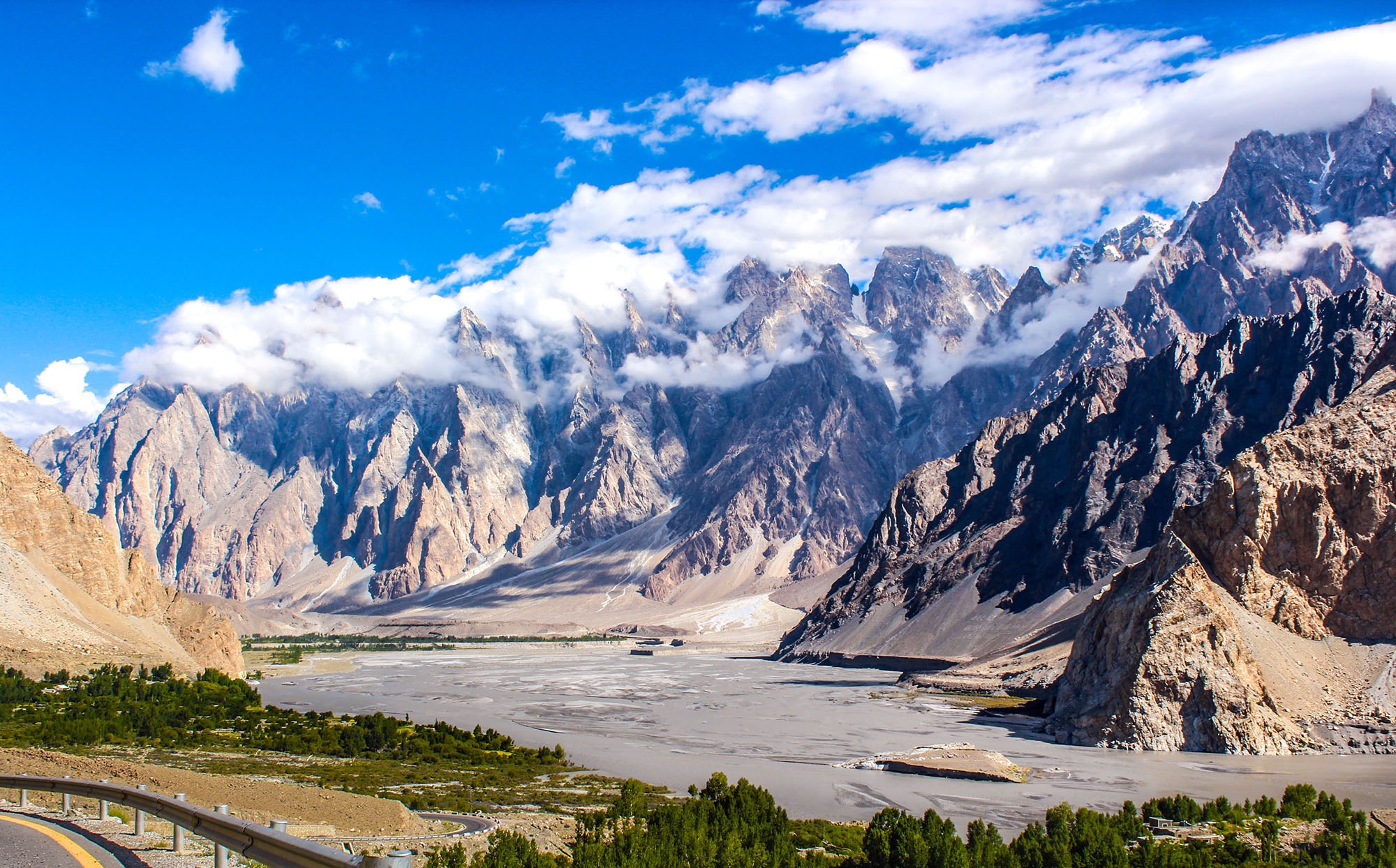
The Silk Road began during China’s Han Dynasty around the 2nd century BC when diplomatic missions and trade expeditions established connections with Central Asia. Over the centuries, the network expanded into a vast system of caravan routes stretching across deserts, mountains, and fertile valleys.
Merchants traveled with caravans of camels and horses, crossing challenging terrain while stopping at oasis towns that eventually grew into prosperous trading centers. These cities became meeting places where cultures blended, creating a remarkable legacy that still exists today.
The Silk Road remained a major international trade route until maritime trade gradually replaced overland commerce during the 15th century.
Why the Silk Road Was So Important
The Silk Road transformed global history by connecting people from vastly different cultures and regions.
Its importance included:
- International trade between East and West
- Exchange of religions and philosophies
- Spread of scientific knowledge
- Development of new technologies
- Cultural and artistic influences
- Economic growth across Asia and Europe
- Formation of multicultural trading cities
Without the Silk Road, many of the world’s greatest civilizations would never have interacted so closely.
Famous Silk Road Destinations
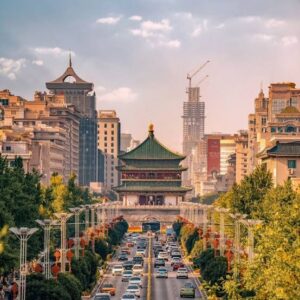
Xi’an
Known as the eastern starting point of the Silk Road, Xi’an was once China’s imperial capital and remains famous for the Terracotta Army, ancient city walls, and rich historical heritage.
Dunhuang
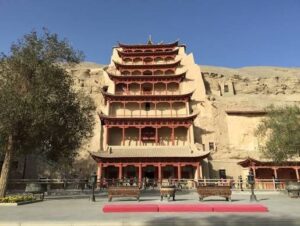
Located on the edge of the Gobi Desert, Dunhuang became one of the Silk Road’s most important oasis cities. It is renowned for the magnificent Mogao Caves, filled with centuries-old Buddhist art and manuscripts.
Turpan
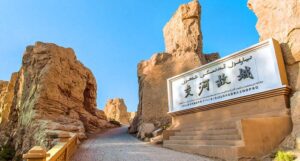
Situated below sea level in one of China’s hottest regions, Turpan became a vital stop for Silk Road caravans. Visitors can explore ancient cities, the Karez irrigation system, vineyards, and fascinating desert landscapes.
Urumqi
Today, Urumqi serves as the modern gateway to Xinjiang. Visitors can experience vibrant bazaars, museums, beautiful parks, and easy access to spectacular natural attractions such as Heavenly Lake and the Tianshan Mountains.
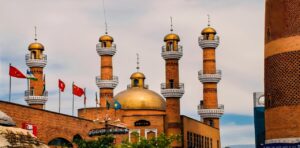
Yining
Located in the lush Ili River Valley, Yining offers visitors colorful multicultural neighborhoods, lavender fields, Sayram Lake, and some of the most beautiful scenery in western China.
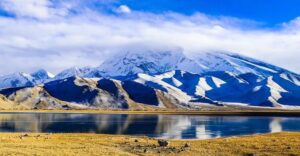
Kashgar
Perhaps the most iconic Silk Road city in China, Kashgar has welcomed traders and travelers for more than two thousand years. Its historic Old City, bustling bazaars, traditional architecture, and gateway location to Central Asia make it one of the most fascinating destinations along the ancient trade routes.
Life Along the Silk Road
Travel along the Silk Road was both exciting and dangerous. Merchants often spent months crossing deserts, mountains, and remote wilderness while transporting valuable cargo.
Camel caravans traveled between oasis towns where travelers rested, traded goods, and exchanged stories from distant lands. These encounters created vibrant multicultural communities that shaped the region’s traditions, architecture, cuisine, and languages.
Many customs still practiced in Xinjiang today reflect this remarkable history of cultural exchange.
What Was Traded?
The Silk Road carried far more than silk.
Popular trade goods included:
- Silk
- Tea
- Porcelain
- Jade
- Spices
- Precious stones
- Gold and silver
- Glassware
- Horses
- Wool
- Cotton
- Paper
- Books
- Medicines
Ideas, religions, music, architecture, and artistic traditions also spread along these routes, making the Silk Road one of history’s greatest cultural exchanges.
Experience the Silk Road Today
Modern travelers can still follow many sections of the ancient Silk Road across Xinjiang.
Popular experiences include:
- Exploring historic Old Cities
- Visiting lively traditional bazaars
- Driving the legendary Karakoram Highway
- Discovering ancient ruins
- Photographing snow-capped mountains and deserts
- Experiencing Uyghur and Kazakh culture
- Sampling authentic Silk Road cuisine
- Staying in traditional guesthouses
- Visiting UNESCO World Heritage sites
These journeys allow visitors to experience both the region’s remarkable history and its extraordinary natural beauty.
Best Time to Travel the Silk Road
Spring (April–May)
Comfortable weather and blooming landscapes make spring ideal for cultural sightseeing.
Summer (June–August)
Perfect for mountain scenery, grasslands, alpine lakes, and scenic road trips throughout Xinjiang.
Autumn (September–October)
Widely regarded as the best season, with colorful forests, comfortable temperatures, and excellent photography conditions.
Winter (November–March)
Snow-covered mountains and peaceful landscapes create a unique atmosphere for adventurous travelers.
Travel Tips
- Allow sufficient time to explore multiple Silk Road cities.
- Carry your passport throughout your journey.
- Dress comfortably for varying climates.
- Stay hydrated, especially in desert and high-altitude regions.
- Respect local customs and cultural traditions.
- Bring a camera to capture the region’s extraordinary scenery.
Why the Silk Road Still Inspires Travelers
More than two thousand years after its creation, the Silk Road remains one of the world’s greatest travel experiences. Every ancient city, mountain pass, desert oasis, and bustling market tells a story of exploration, cultural exchange, and human connection.
From the vibrant streets of Kashgar and the beautiful landscapes of Yining to the historic treasures of Turpan and Urumqi, the Silk Road continues to offer unforgettable adventures for travelers seeking history, culture, and breathtaking scenery.
Following the Silk Road is more than a holiday—it’s a journey through the civilizations that helped shape our world.