1.820.3345.33
Contact@TravelTourWP.com

Located in the far west of China’s Xinjiang Uyghur Autonomous Region, Kashgar is one of the oldest and most fascinating cities along the legendary Silk Road. For more than 2,000 years, traders, explorers, and travelers have passed through this historic oasis, making it one of Asia’s most culturally rich destinations.
Today, Kashgar blends ancient traditions with modern development while preserving its unique identity. Wander through centuries-old streets, experience lively local markets, admire remarkable architecture, and enjoy authentic Xinjiang hospitality in a city unlike anywhere else in China.
Whether you’re interested in history, photography, culture, or unforgettable road trips, Kashgar offers an experience that captures the true spirit of the Silk Road.
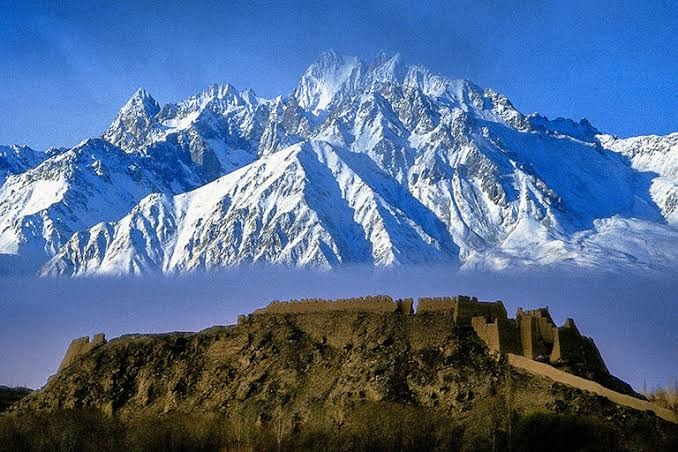
Kashgar is often considered the cultural capital of southern Xinjiang. Unlike many modern cities, it has preserved much of its traditional atmosphere, allowing visitors to experience daily life shaped by centuries of Silk Road history.
Visitors come to Kashgar for:
Ancient Silk Road heritage
Traditional Old City architecture
Vibrant local bazaars
Authentic Uyghur culture
Spectacular mountain scenery
Delicious regional cuisine
Easy access to the Karakoram Highway
The historic Old City is the soul of Kashgar. Its narrow alleyways, mud-brick homes, traditional courtyards, artisan workshops, and lively neighborhoods create one of China’s most distinctive cultural experiences.
Visitors can explore local handicraft shops, watch traditional craftsmen at work, and experience everyday life in a community that has flourished for generations.
As the largest mosque in Xinjiang, Id Kah Mosque is one of Kashgar’s most recognizable landmarks. Built in the 15th century, its beautiful architecture and spacious courtyard reflect the city’s deep historical and cultural significance.
The surrounding square is always full of local life, making it an excellent place for photography and cultural observation.
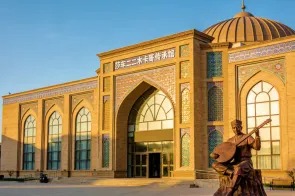
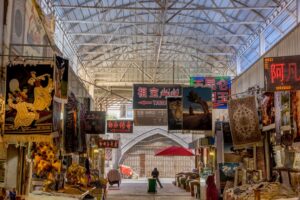
One of the largest traditional markets in Central Asia, the Kashgar Grand Bazaar is a colorful destination where visitors can browse hundreds of stalls selling:
Handmade carpets
Silk products
Traditional musical instruments
Leather goods
Spices
Dried fruits
Jade jewelry
Local souvenirs
The lively atmosphere provides a glimpse into the trading traditions that made Kashgar famous along the Silk Road.
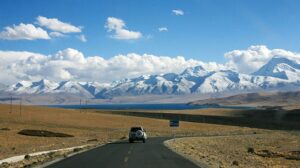
Often called one of the world’s most beautiful roads, the Karakoram Highway begins near Kashgar and travels toward the Pakistan border through breathtaking mountain landscapes.
The journey offers spectacular views of snow-capped peaks, deep valleys, glaciers, and turquoise lakes, making it one of the most scenic road trips in Asia.
Located along the Karakoram Highway, Karakul Lake sits at an altitude of approximately 3,600 meters (11,800 feet) above sea level.
Surrounded by the magnificent Pamir Mountains, the crystal-clear lake reflects towering snow-covered peaks, creating one of Xinjiang’s most photographed natural landscapes.
Visitors often stop here for photography, short walks, and to experience the peaceful alpine environment.
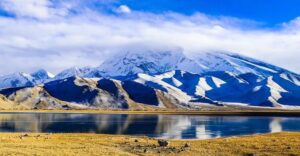
A popular day trip from Kashgar, Tashkurgan is home to the historic Stone City ruins and the stunning Golden Grasslands.
Surrounded by the Pamir Plateau, this region offers dramatic mountain scenery, wide open landscapes, and fascinating historical sites connected to the ancient Silk Road.
Kashgar is famous for its rich and flavorful food, influenced by centuries of Silk Road trade.
Popular dishes include:
Lamb Kebabs
Polo Rice (Pilaf)
Hand-Pulled Laghman Noodles
Samsa (Baked Meat Pastries)
Nang Bread
Homemade Yogurt
Xinjiang Milk Tea
Fresh Pomegranates
Dried Fruits and Nuts
Local restaurants and traditional tea houses provide visitors with an authentic taste of Xinjiang hospitality.
Shopping in Kashgar is unlike anywhere else in China.
Popular souvenirs include:
Handmade carpets
Silk scarves
Traditional hats
Copper crafts
Musical instruments
Jade ornaments
Leather products
Local spices
Dried fruits
Handmade pottery
Many of these products are made by local artisans using techniques passed down through generations.
Comfortable temperatures and blooming landscapes make spring ideal for sightseeing and photography.
Warm weather makes summer perfect for exploring the Old City and traveling along the Karakoram Highway.
Widely considered the best season to visit, autumn offers cool temperatures, golden landscapes, and excellent visibility for mountain views.
Winter brings fewer crowds and snow-covered scenery, offering a peaceful atmosphere for visitors seeking a different perspective of Kashgar.
Kashgar is well connected by air, rail, and road.
Visitors can reach the city by:
Domestic flights from major Chinese cities
High-speed and conventional rail services
Private vehicles and guided tours
Long-distance buses from other Xinjiang destinations
Many travelers combine Kashgar with visits to Tashkurgan, Karakul Lake, the Pamir Plateau, and other highlights of southern Xinjiang.
Carry your passport throughout your journey.
Wear comfortable walking shoes for exploring the Old City.
Bring sun protection, especially during mountain excursions.
Drink plenty of water when visiting higher-altitude destinations.
Respect local customs and religious sites.
Allow extra time for scenic drives and photography stops.
Few destinations capture the spirit of the ancient Silk Road as authentically as Kashgar. From its winding historic streets and bustling bazaars to breathtaking mountain landscapes and warm local hospitality, the city offers an unforgettable journey through history and culture.
Whether you’re exploring centuries-old architecture, tasting traditional Xinjiang cuisine, or setting off along the legendary Karakoram Highway, Kashgar delivers experiences that remain with travelers long after their journey ends.
For anyone seeking the true heart of Xinjiang, Kashgar is a destination that simply cannot be missed.